
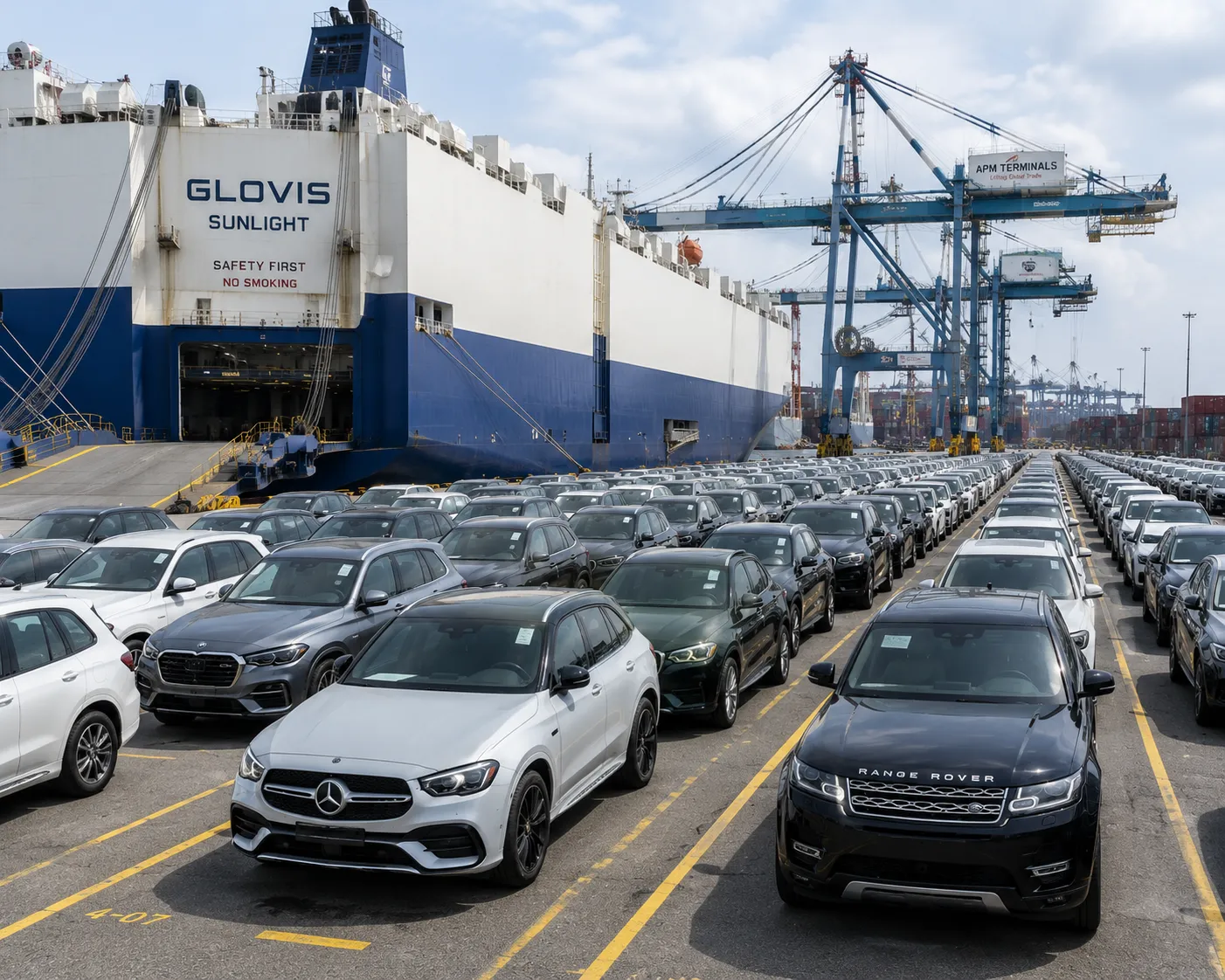
How Car Import Tariffs Influence Dealership Prices in India in 2026
When trade rules change, car prices at local dealerships do not move overnight, but they do move. In India, imported cars have traditionally carried very high duties, and recent reporting around the India-EU trade pact suggests those rates could fall sharply for a defined quota of eligible vehicles over time. For buyers, that means the sticker price of some premium imported models may gradually become more competitive, while mass-market locally assembled cars may feel less direct impact in the short term.
Why Tariffs Matter in Vehicle Pricing
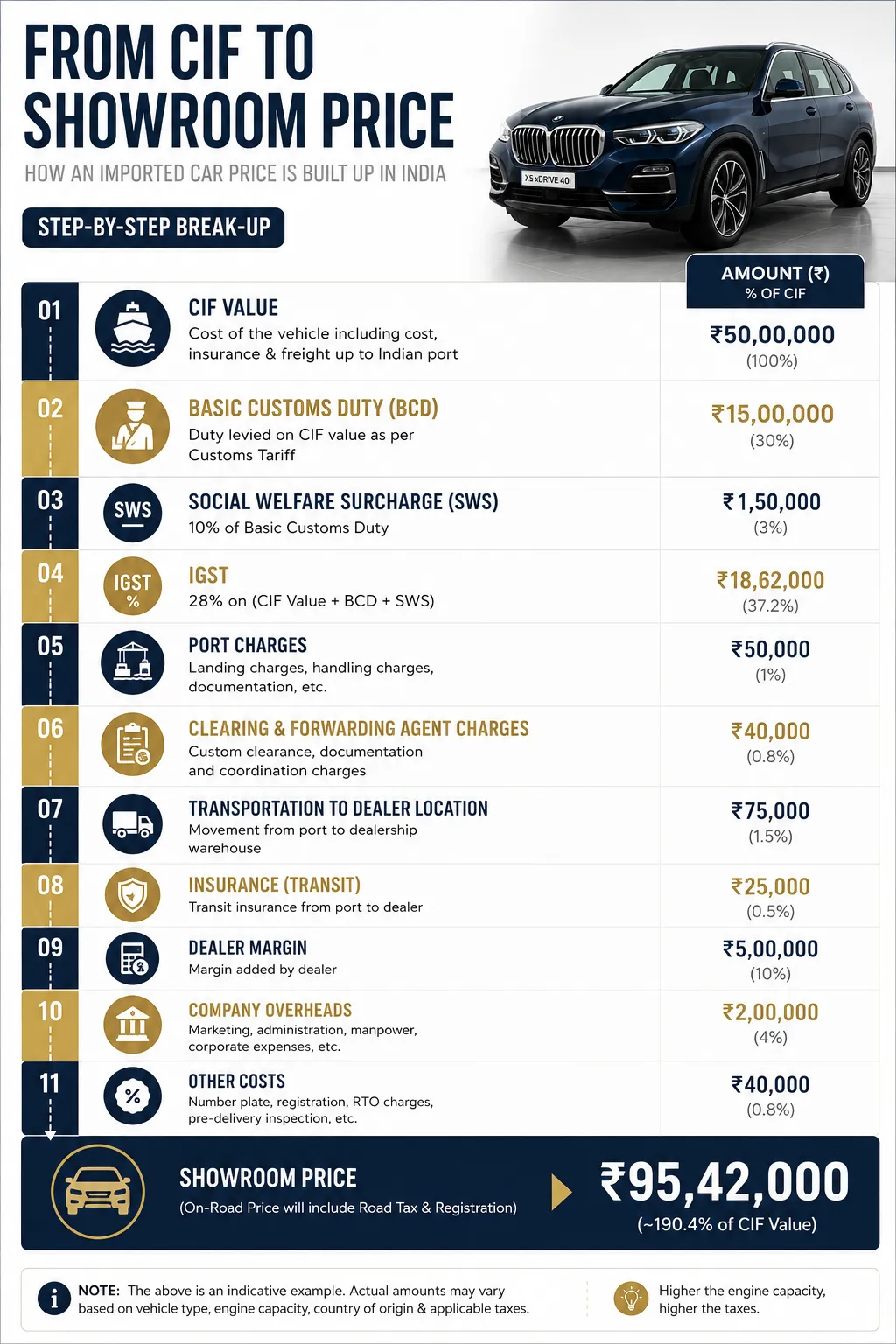
The biggest reason is simple: customs duty sits high in the cost stack. Imported cars can face effective duties around 110–115 percent in some cases, and the final landed price also includes surcharge, GST, and registration costs. That means even a modest policy shift can translate into a meaningful price correction once the vehicle reaches the dealership floor.
Key Insight: Because import duty forms a major part of the landed cost of imported vehicles, even small tariff reductions can significantly influence ex-showroom pricing.
How Dealers May Respond to Lower Tariffs
For dealers, lower tariffs can create both opportunity and pressure. A lower-duty environment can expand the addressable market for brands like BMW, Mercedes-Benz, and Volkswagen, especially if more buyers begin comparing imported options against premium locally assembled alternatives.
At the same time, dealers may need to rethink stock planning, variant mix, and finance offers because customer expectations usually shift faster than supply chains do.
Dealer Perspective: Lower tariffs may increase demand for imported vehicles, but inventory planning and supply timelines will remain critical to meeting buyer expectations.
Not Every Imported Car Benefits Equally
Indian buyers should also remember that tariff cuts are rarely universal. Early duty relief in the India-EU negotiations has been discussed primarily for a specific annual volume of combustion-engine vehicles, while battery electric vehicles may remain excluded during the initial phase.
As a result, not every imported car will suddenly become affordable, and not every segment will benefit equally from future trade agreements.
Reality Check: Tariff benefits often depend on vehicle category, production origin, and quota availability rather than applying equally across all imported models.
Four Factors Buyers Should Watch

A practical way to evaluate dealership pricing during tariff changes is to focus on the factors that directly affect the final purchase price.
| Factor | Why It Matters |
|---|---|
| Import Origin | Tariff benefits may depend on where the vehicle is manufactured. |
| Vehicle Type | Combustion models and EVs may receive different treatment under trade agreements. |
| Quota Limits | Reduced-duty vehicles may be restricted to annual volume caps. |
| Dealer Pricing Strategy | Discounts, finance offers, and waiting periods can affect the final deal. |
How Tariffs Influence Competition
For CompareAuto readers, the real takeaway is that tariffs affect more than luxury headlines. They shape competition, influence feature-value comparisons, and can even change resale expectations if new imported rivals enter at more competitive prices.
If you are shopping in the premium segment, the best approach is to compare ex-showroom movement, on-road cost, and waiting period together instead of reacting to tariff news alone.
CompareAuto Verdict: Car import tariffs can have a meaningful impact on dealership pricing, especially in premium segments where customs duties form a significant portion of the final cost. However, buyers should look beyond headline tariff announcements and evaluate vehicle eligibility, dealer pricing strategies, waiting periods, and overall ownership costs before making a purchase decision.
Frequently Asked Questions
How do import tariffs affect car prices in India?
Import tariffs increase the landed cost of vehicles. Lower tariffs can reduce ex-showroom prices and improve affordability for eligible imported models.
Will all imported cars become cheaper if tariffs are reduced?
No. Tariff reductions often apply only to specific vehicle categories, production origins, or annual quotas, meaning some imported models may see little or no price change.
Do tariff changes affect electric vehicles and petrol cars equally?
Not necessarily. Trade agreements can treat EVs and combustion-engine vehicles differently, so the impact varies depending on the policy framework.
What should buyers track besides tariff announcements?
Buyers should monitor dealer discounts, on-road pricing, waiting periods, import quotas, and vehicle eligibility to understand the real impact on ownership costs.