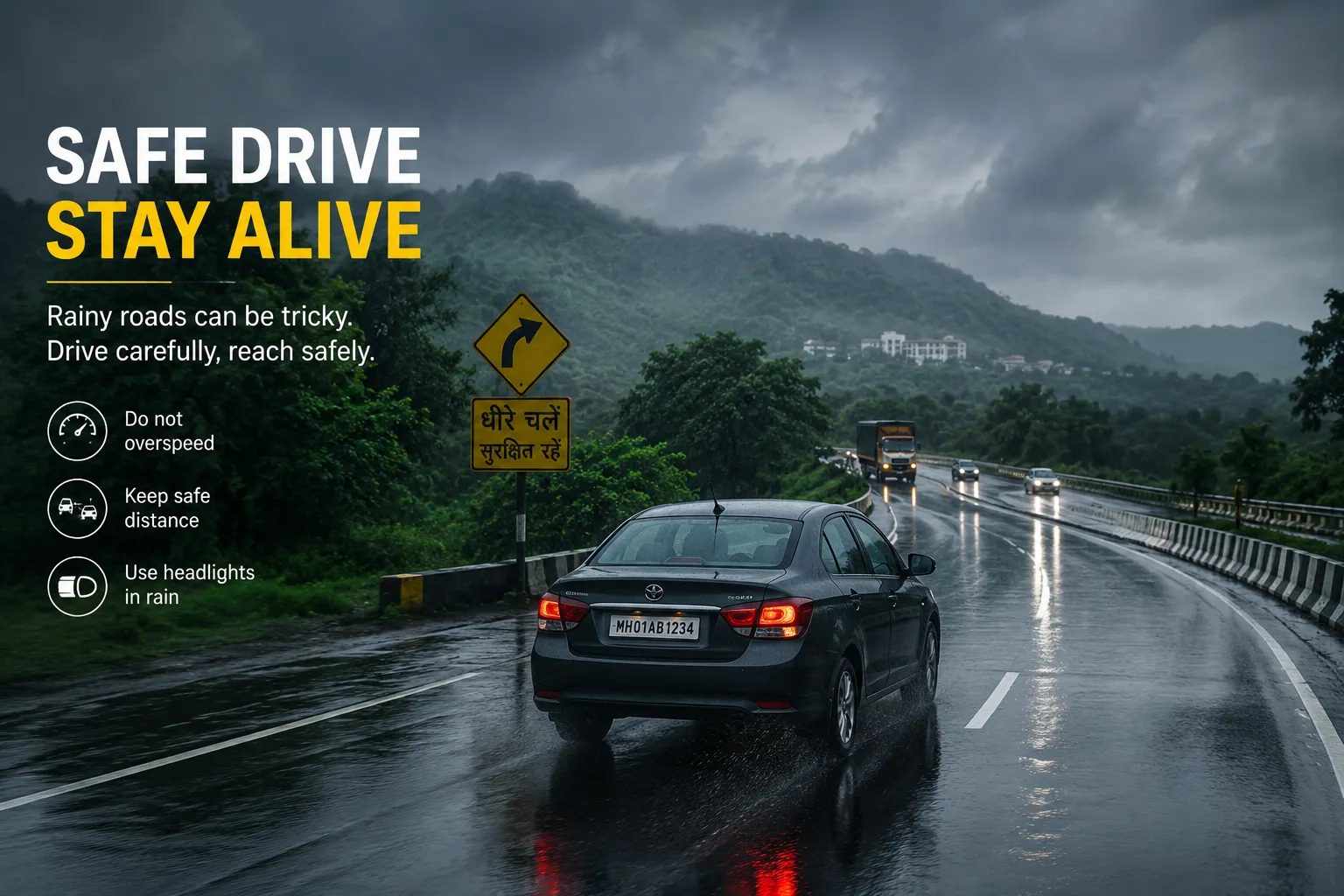
The Indian monsoon can turn daily driving into a real test of patience and safety. Waterlogged roads, low visibility, slippery surfaces, and sudden braking can all increase the risk of breakdowns and accidents. Before the rains arrive, a quick car safety check can save you from costly repairs and stressful roadside trouble.
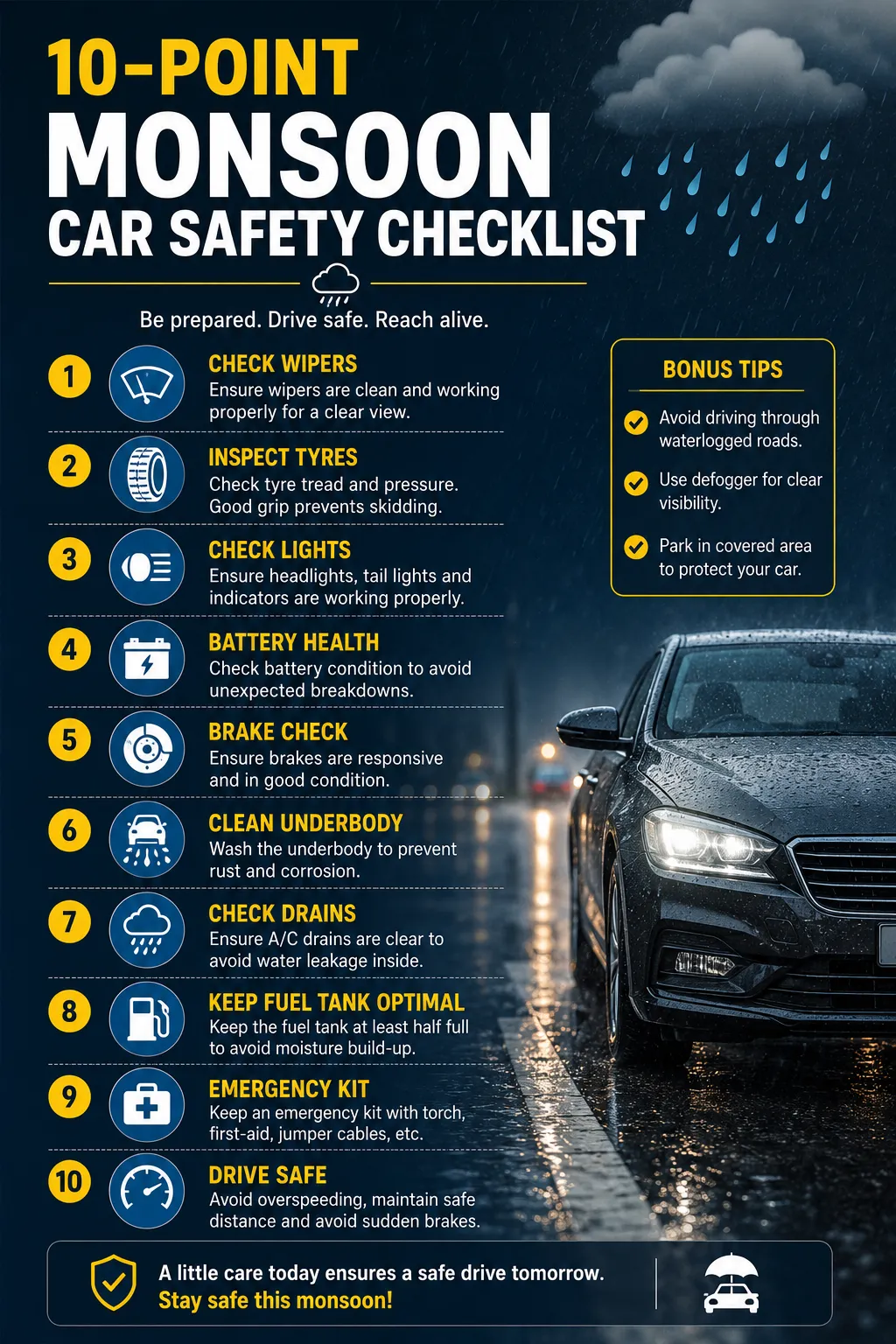
Here is a practical 10-point monsoon car safety checklist every Indian car owner should follow.
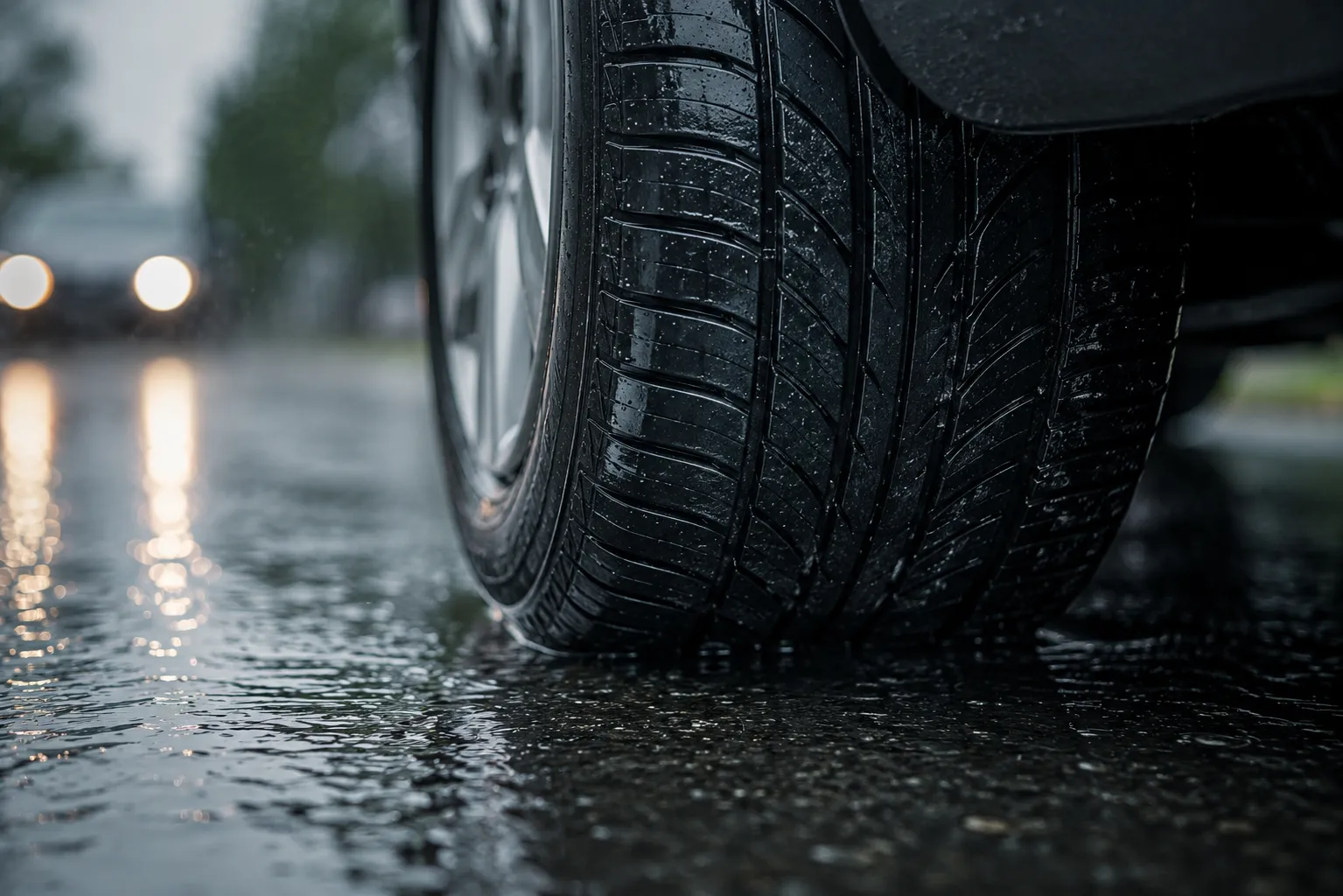
1. Check Tyre Tread Depth
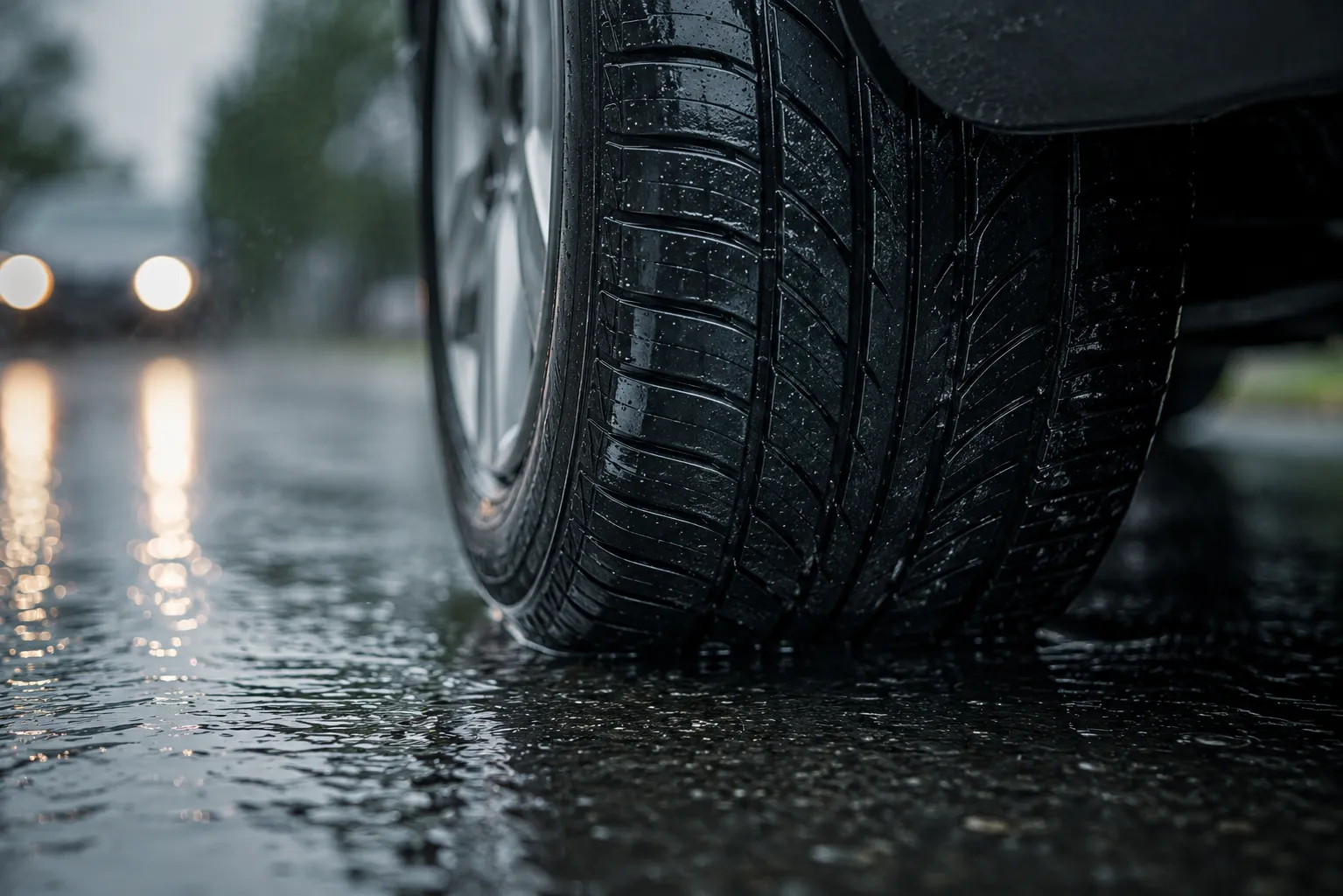
Tyres are your car's first line of defence on wet roads. Worn-out tyres reduce grip and increase the chance of skidding. Make sure the tread depth is healthy and there are no cracks, bulges, or uneven wear. Also check tyre pressure regularly, including the spare tyre.
2. Inspect the Wipers
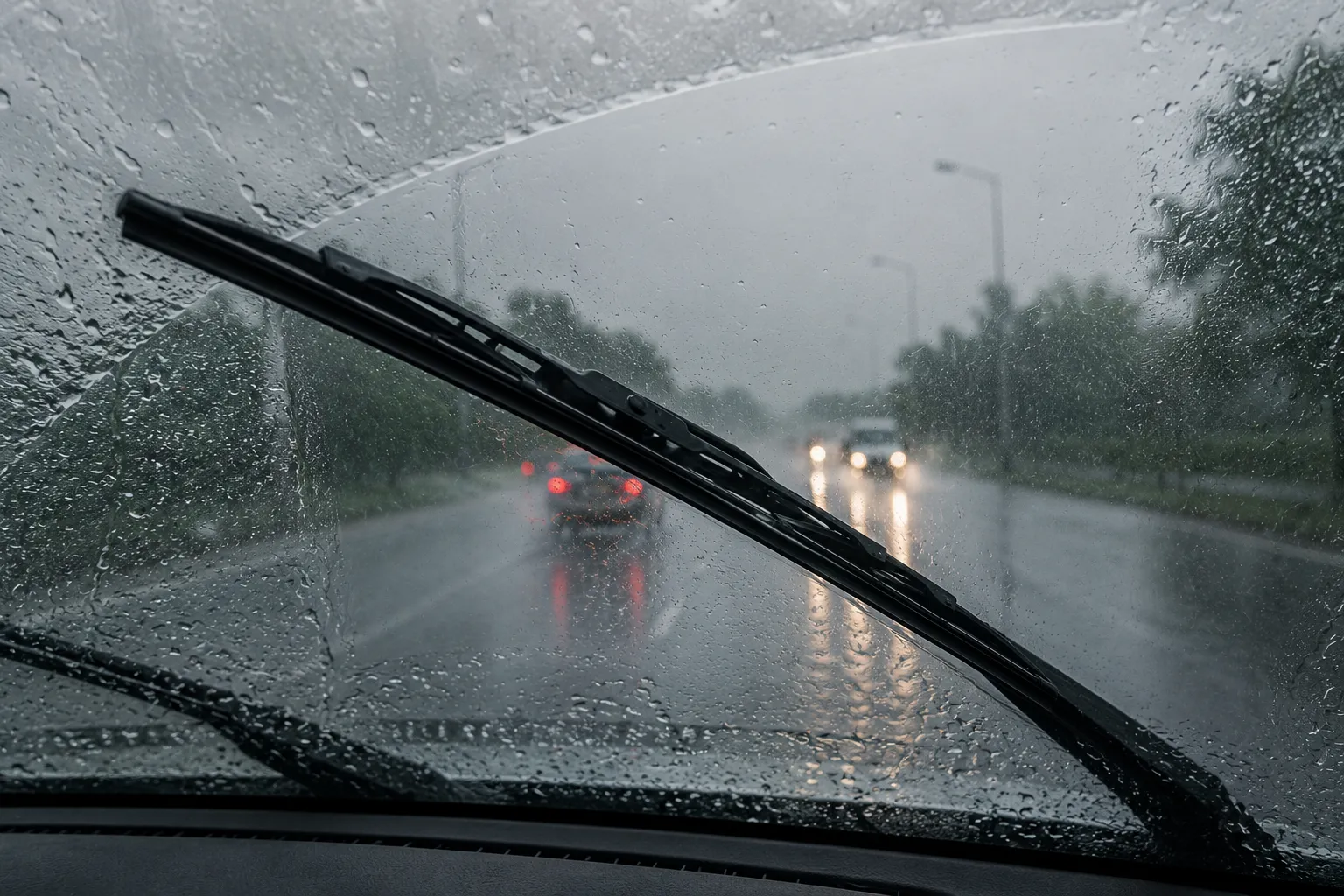
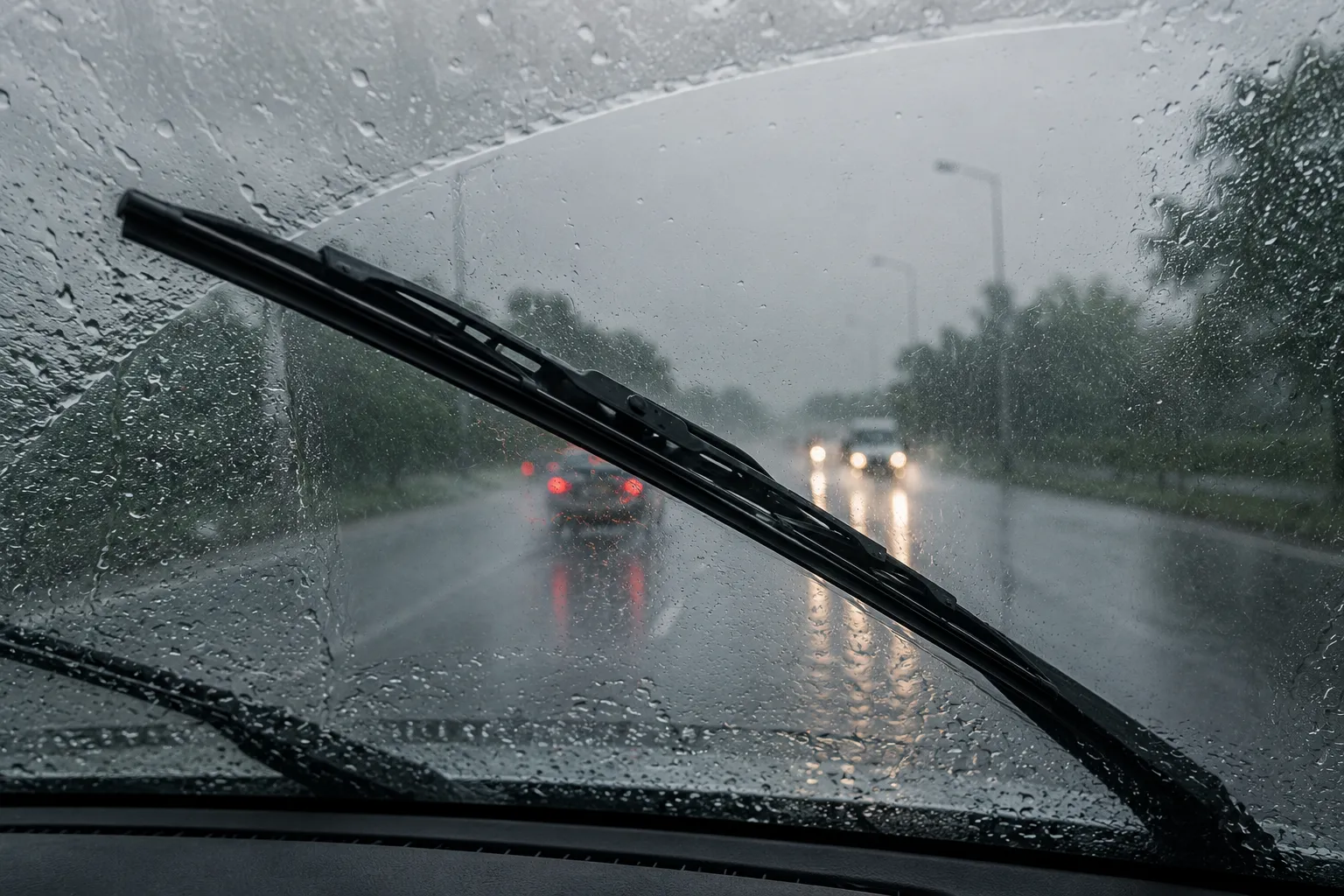
Clear visibility is essential during heavy rain. If your wipers leave streaks, make noise, or miss areas on the windshield, replace them before the monsoon. Wiper blades are inexpensive but extremely important for safe rainy-season driving.
3. Test the Brakes
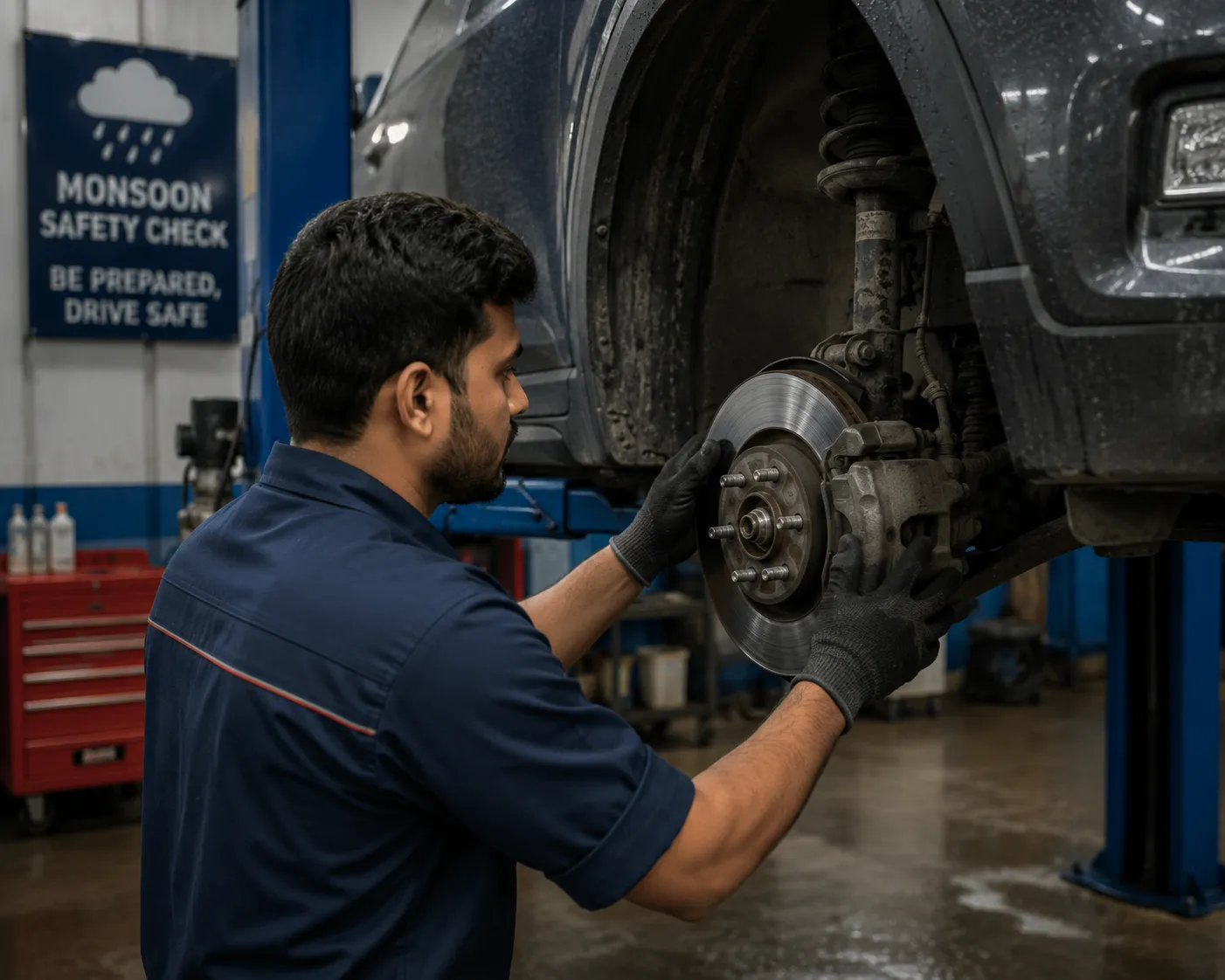
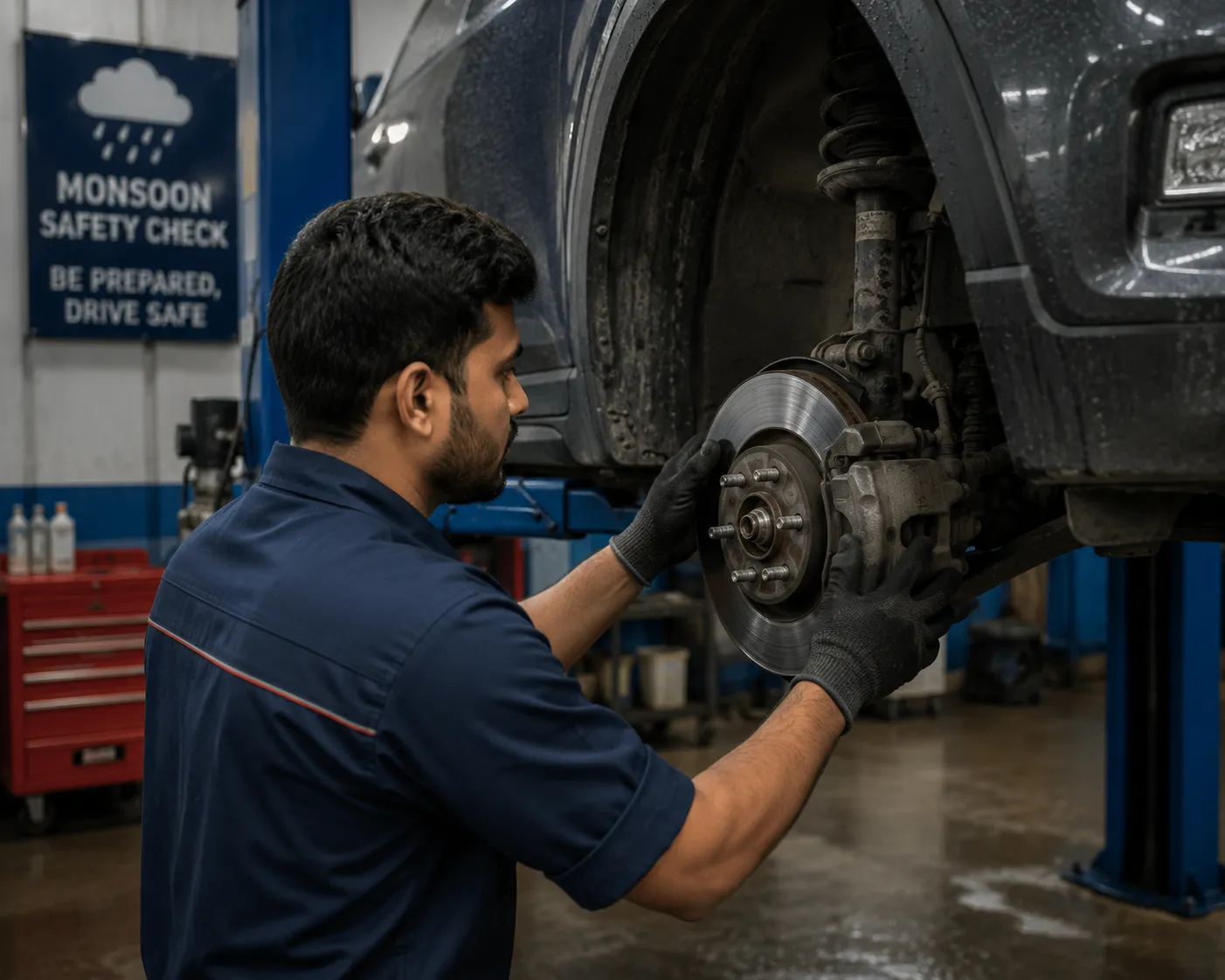
Wet roads increase stopping distance. Get your brake pads, discs, and brake fluid checked before the rains. If you hear squeaking sounds, feel vibration while braking, or notice reduced braking response, visit a service centre immediately.
4. Check All Lights
Headlights, brake lights, fog lamps, hazard lights, and indicators must work properly during low-visibility conditions. Clean the light covers and replace weak bulbs. Good lighting helps you see clearly and makes your car visible to others.
5. Examine the Battery
Moisture can affect electrical connections, especially in older cars. Check the battery terminals for corrosion and ensure the battery is holding charge well. If your car struggles to start, get the battery tested before monsoon traffic makes it worse.
6. Top Up Essential Fluids
Check engine oil, coolant, brake fluid, windshield washer fluid, and power steering fluid if applicable. Use a good windshield washer solution to remove mud, grime, and oily road spray from the glass.
7. Inspect the AC and Defogger
Fogged-up windows are common during rain. Make sure your air conditioner, heater, and rear defogger are working properly. A functioning defogger improves visibility and keeps the cabin safer during long wet drives.
8. Check Door Seals and Rubber Beading
Water leakage inside the cabin can damage electronics, carpets, and upholstery. Inspect door seals, window channels, and boot rubber beading. Replace damaged seals before water starts entering the car.
9. Keep an Emergency Kit
Carry a flashlight, basic tools, tyre inflator, jumper cable, tow rope, first-aid kit, raincoat, and phone charger. If you drive through highways or flood-prone areas, this kit can be very useful during unexpected delays.
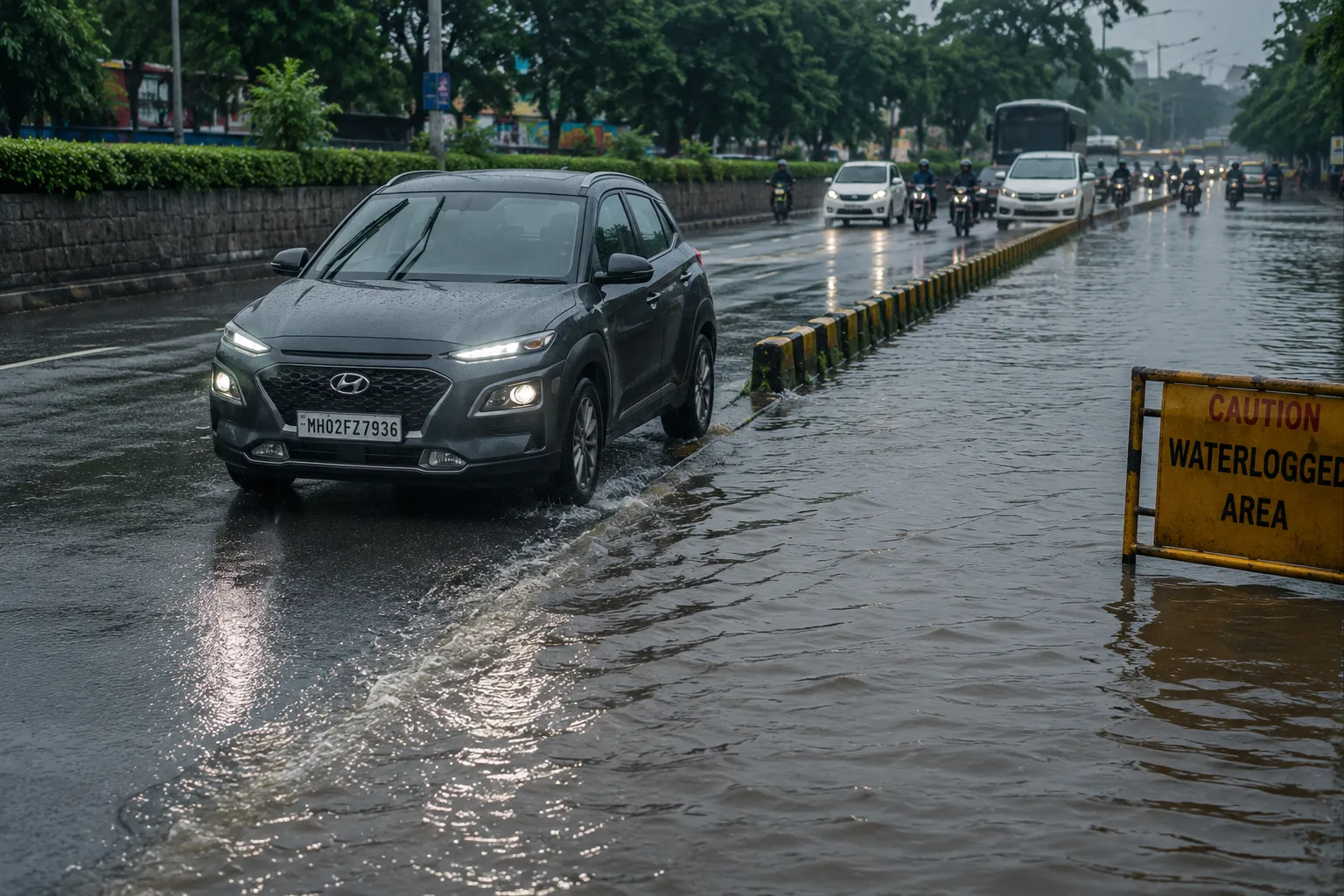
10. Avoid Deep Water Driving
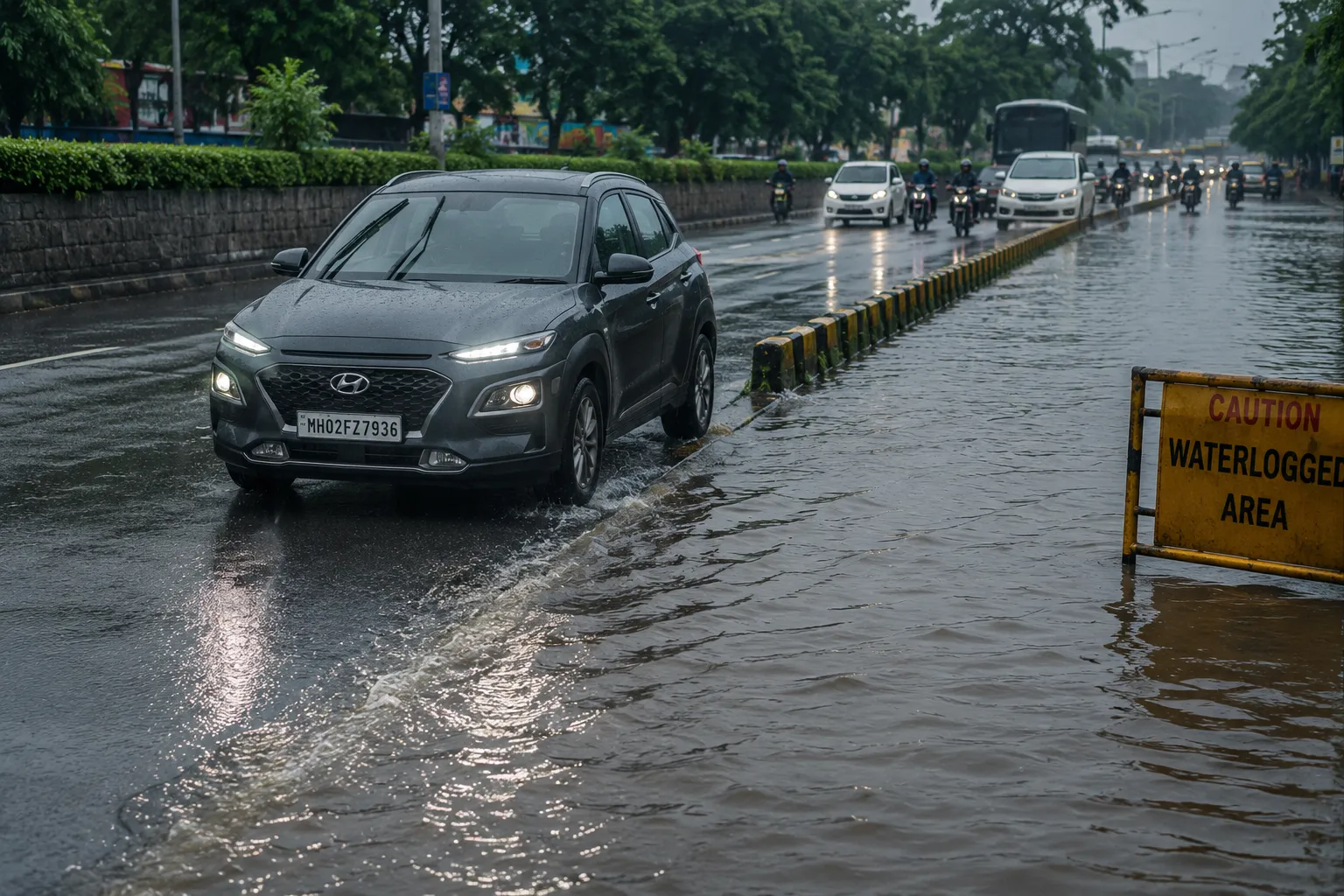
Even a well-maintained car can suffer engine damage in deep water. Avoid flooded underpasses and unknown waterlogged roads. If water enters the engine, repair costs can be significant and insurance may not always cover careless water driving.
Final Thought
A monsoon-ready car is not just about comfort; it is about safety, reliability, and peace of mind. Before the rains hit India, spend a little time checking your tyres, wipers, brakes, lights, and battery. CompareAuto.in helps car owners make smarter decisions, and timely maintenance is one of the smartest decisions you can make this season.