
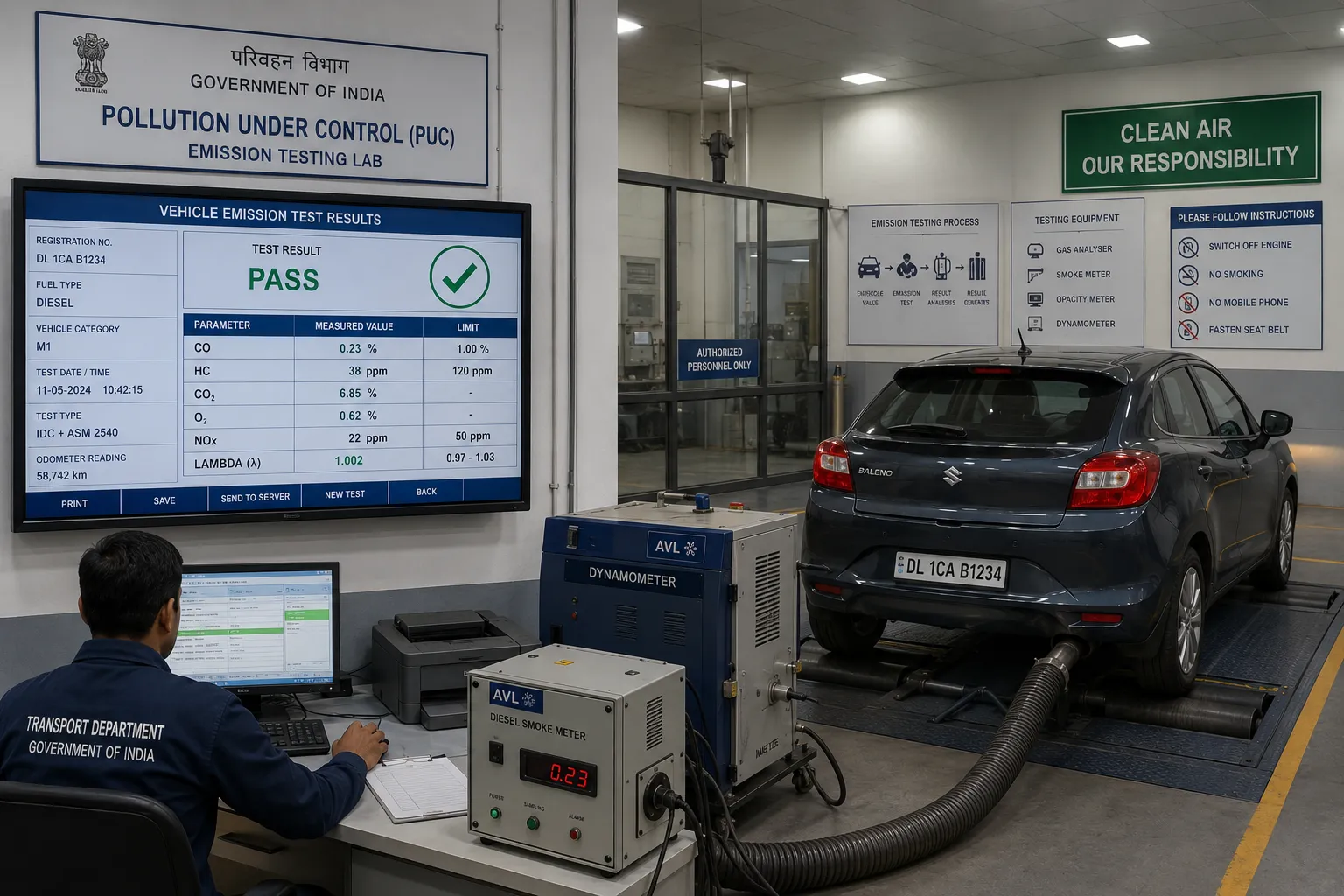
Emission laws do more than reduce pollution; they decide which engines survive, which cars get updated, and which models quietly disappear.
As India prepares for tighter future standards inspired by next-generation global rules, automakers are being pushed toward cleaner powertrains, more onboard monitoring, and stronger compliance systems. That directly affects launch timelines and product planning across hatchbacks, SUVs, sedans, and even hybrids.
1. Fewer Engine Options as Regulations Tighten
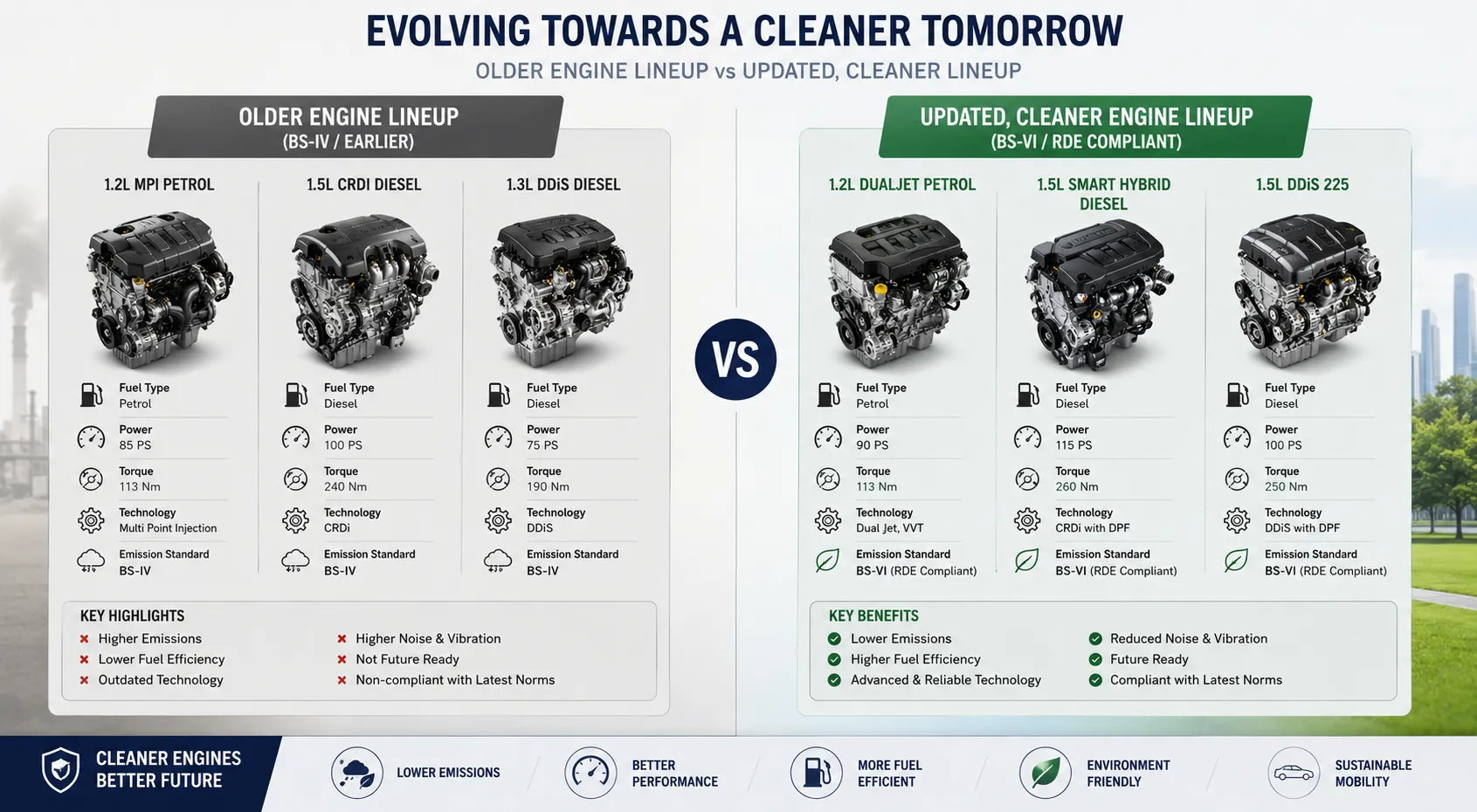
One major effect is model rationalization. When emission rules become stricter, low-volume engines often become expensive to upgrade because brands must invest in calibration, exhaust treatment, diagnostics, and validation.
Instead of updating every variant, companies may drop slower-selling petrol or diesel trims and focus on a smaller, more profitable lineup.
2. Higher Compliance Costs Could Push Prices Up
Another impact is pricing. Industry commentary around future BS7-style requirements suggests that the extra technology needed to meet tighter norms could add noticeable costs depending on the segment and complexity.
That can push entry-level cars further up the price ladder, which is one reason many brands are now leaning toward compact SUVs, hybrids, and feature-rich trims where compliance costs are easier to absorb.
3. Stricter Testing Could Delay New Launches
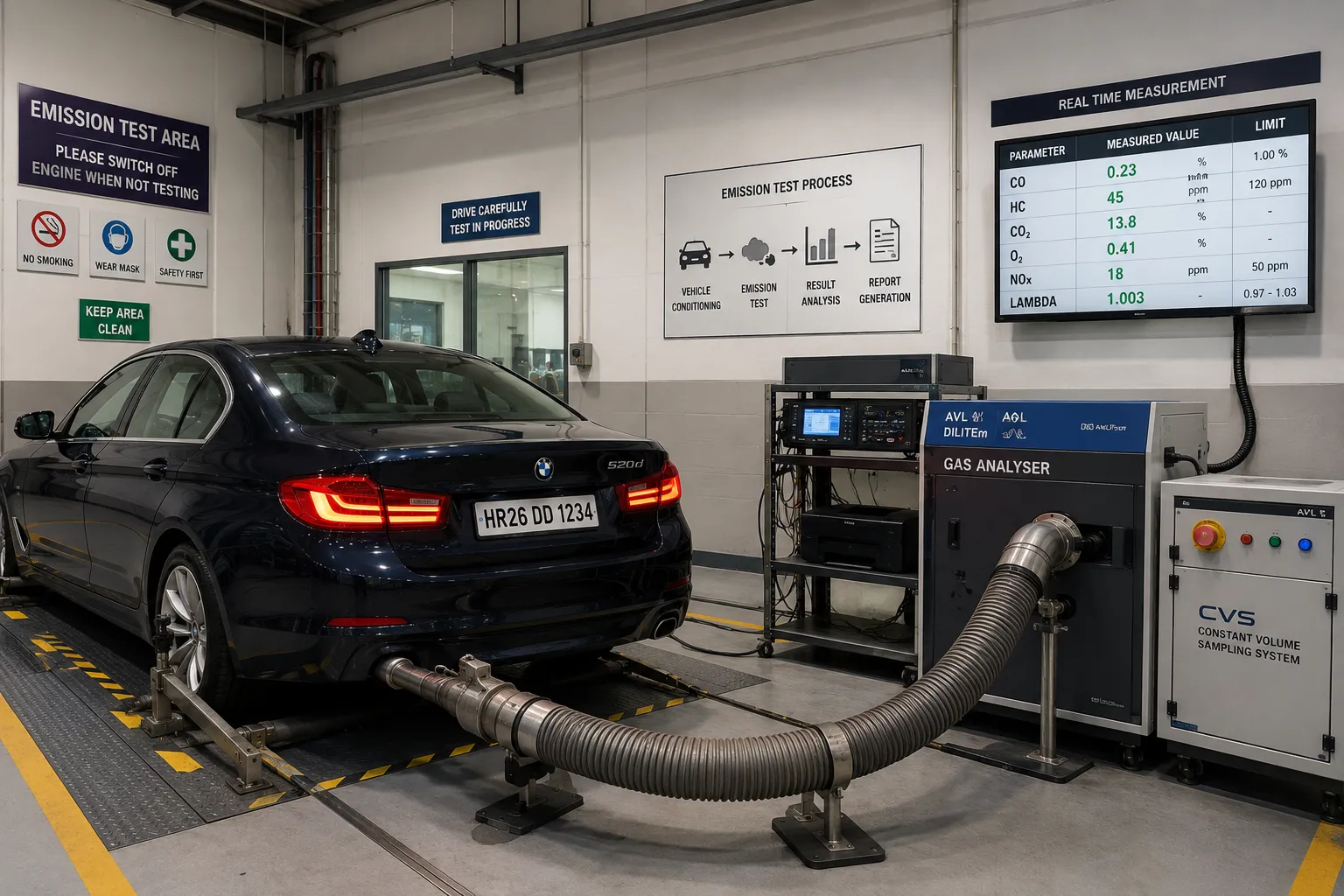
Updated laws can also delay launches. A car that looks ready from a styling or feature perspective may still need additional testing for real-world emissions tracking, onboard monitoring, and durability compliance before it reaches showrooms.
In practical terms, that means teaser campaigns and expected launch windows can shift when regulatory deadlines tighten.
4. What Buyers Should Watch For
- Fewer diesel options in mainstream segments, especially where upgrade costs are hard to justify.
- More strong-hybrid and electrified variants, because brands need lower-emission alternatives in the portfolio.
- Variant reshuffles, with manual or low-demand trims more likely to be removed.
- Price increases linked to compliance hardware and software changes.
The Bigger Picture
The larger story is that emission policy now shapes the product roadmap as much as consumer taste does. For CompareAuto, this is an important editorial angle because readers comparing upcoming cars are really comparing future-ready compliance strategies as well.
In the next few years, the winners may be the brands that simplify their engine families early and communicate those changes clearly to buyers.